Most of the best flavor in your kitchen is hiding in the things you’re about to throw away. Citrus peels, herb stems, the last splash of pickle brine—these so-called scraps are quietly packed with more character than half the ingredients we pay for. Learning how to use them isn’t just a chef’s trick; it’s an easy way to cook more sustainably, waste less, and stretch your grocery shop a little further without sacrificing taste. With a few small shifts, these overlooked bits turn into bright, punchy upgrades—the kind that make a simple dish feel intentional, layered, and just a little bit clever.
1. Dill Pickle Vinaigrette, from Leftover Pickle Brine
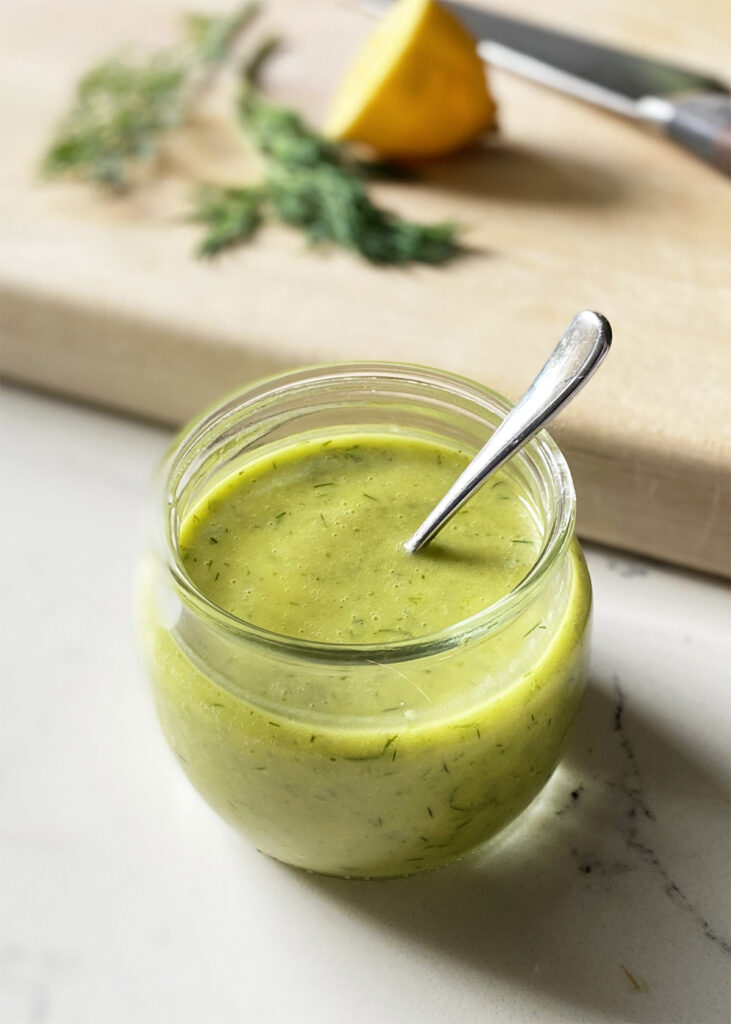
Don’t toss those ’empty’ pickle jars! That last bit of brine is basically a ready-made dressing—sharp, salty, and already perfectly balanced. Instead of pouring it down the sink, a quick shake with avocado or olive oil and a few extras turns it into a punchy vinaigrette that brings life to simple greens, roasted vegetables, or grain bowls. It’s one of those small, satisfying swaps that cuts waste, saves money, and somehow tastes better than something you’d make from scratch.
Source — The Delicious Life
2. Oleo Saccharum Citrus Syrup
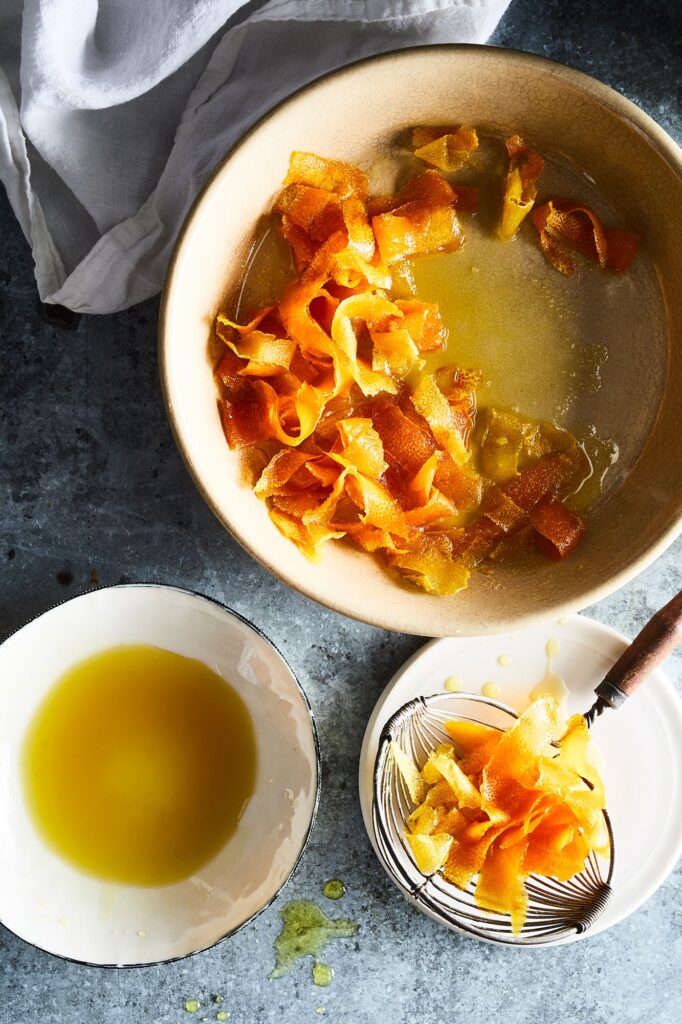
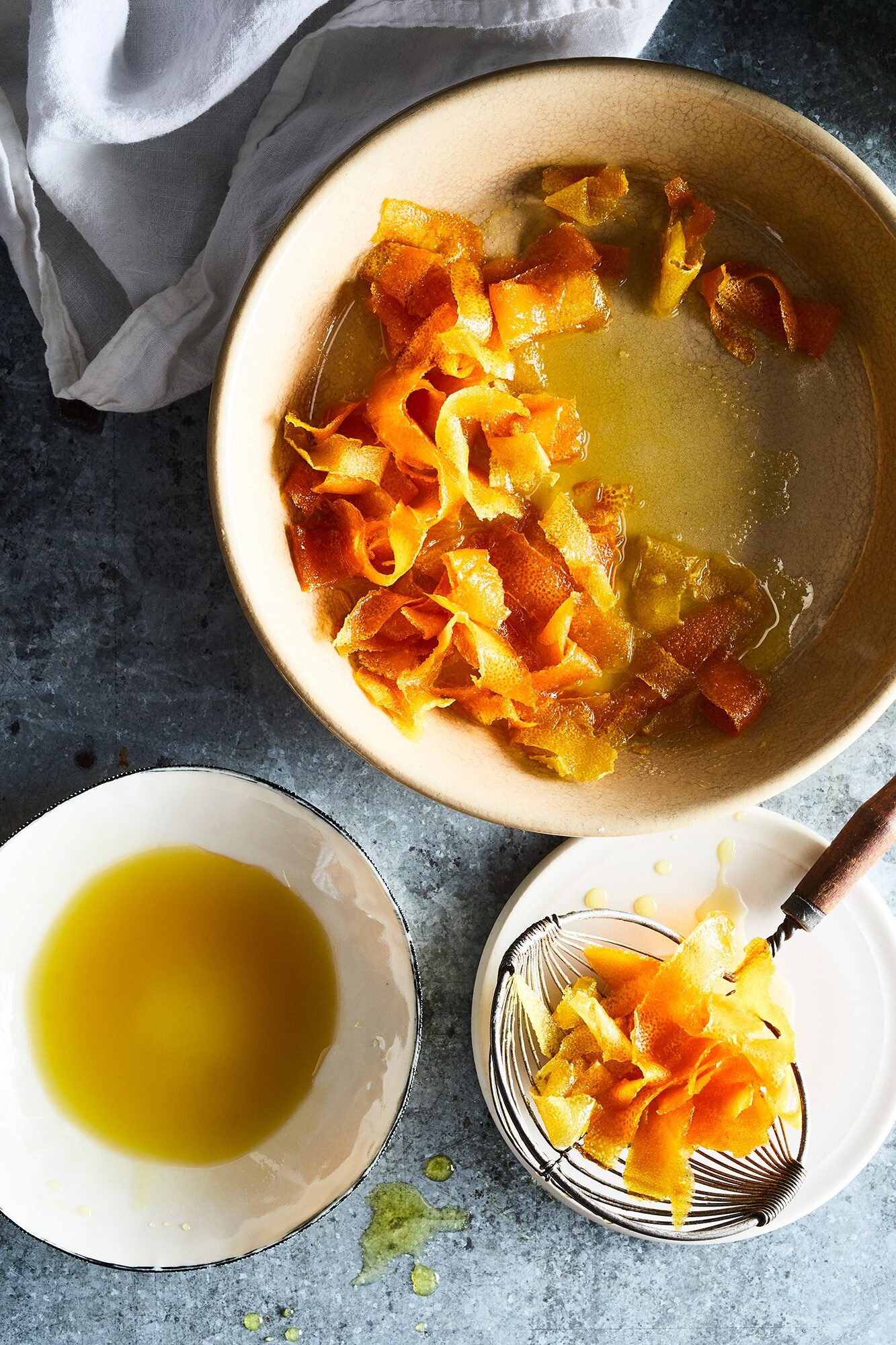
It sounds technical, but oleo saccharum is really just a clever way to capture every last drop of flavor from citrus peels you’d normally toss. Sugar draws out the fragrant oils, creating a deeply aromatic syrup that tastes brighter and more complex than anything made from juice alone. It’s the kind of low-effort, high-reward trick that feels almost wasteful not to know—turning scraps into something that elevates everything from cocktails to cakes, while quietly making your kitchen a little more sustainable.
Source — Food52
3. Apple Scrap Jelly
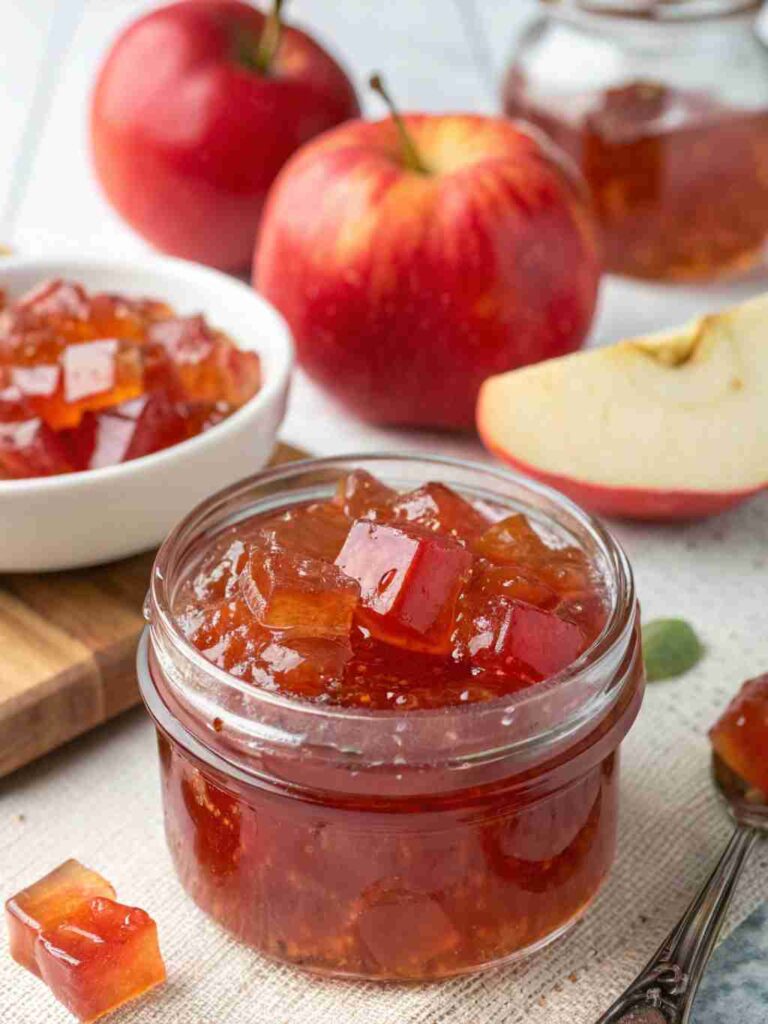
This is a recipe to save for any future time where you have apple scraps laying around, say after making apple pie, or juice, or even just after eating a few!
The end result is a beautifully sweet yet floral flavor, and a lush rose color, perfect for slathering on toast as a quick breakfast or for gifting to friends and family.
If boiled at a high enough temperature, this recipe doesn’t even require gelatin—so it’s safe for vegetarians & vegans alike.